Message from the Chief Executive Officer
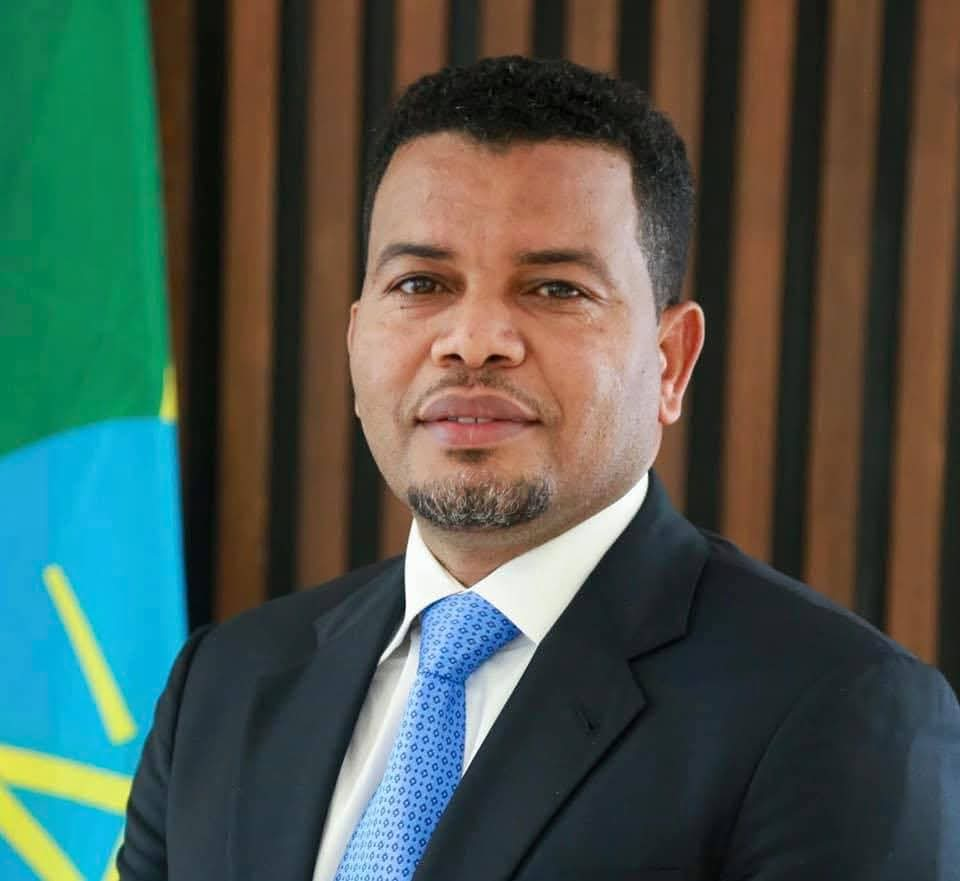
H.E. Takele Uma Banti, Chief Executive Officer
Every generation inherits a nation shaped by those who came before it. Each generation must then decide what it will preserve, what it will repair and what it will build for those who come after. For us at the Ethio Djibouti Railway, that responsibility is especially profound.
We are the heirs of an ancient civilization and of one of the oldest railway traditions in Africa. That inheritance is both a gift and a duty.
A history older than all of us and the frontier ahead
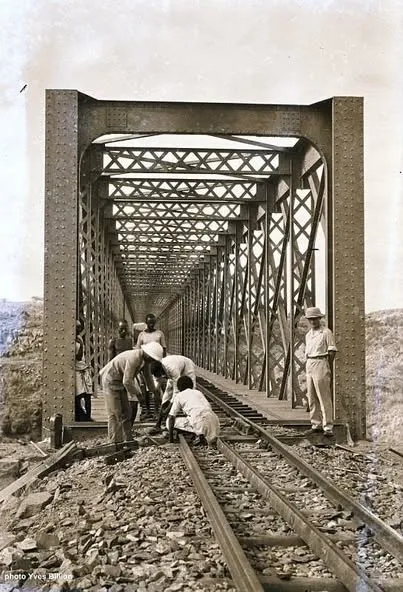
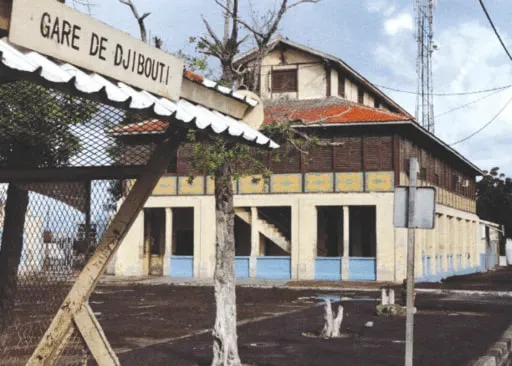
Our railway is older than every one of us who serves it today. In 1894 Emperor Menelik II granted the concession for a line that would link his new capital to the sea at Djibouti. Construction began in 1897, carried out by a French company and foreign engineers. The rails reached Dire Dawa in 1902, and the first train steamed into Addis Ababa in 1917.
Emperor Menelik died four years before that train arrived. He never rode the line he imagined, yet he left the nation an idea that has outlived him: a country stays connected to the world when it engineers its own destiny and builds its own road to the sea.
A bumpy road across generations
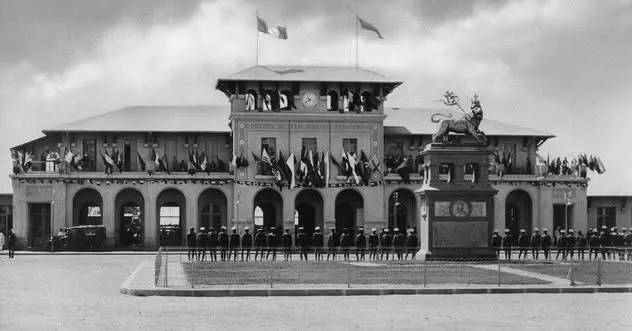
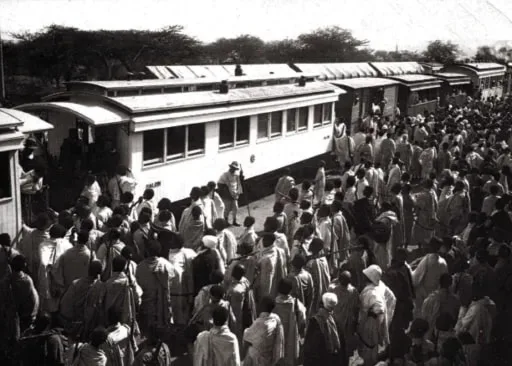
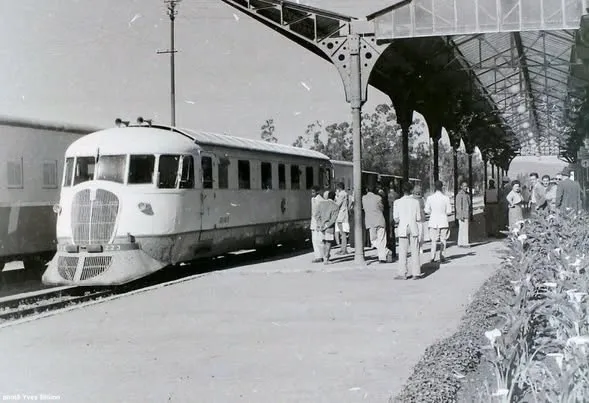
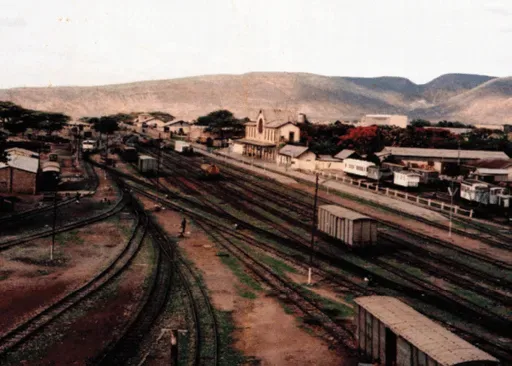
Every generation after the Emperor inherited that idea and carried it through very different times. By the 1920s the line had become the country’s main trade artery, and in 1929 Legehar station opened as its gateway in the capital.
Then the road turned hard. Thin investment wore the line down. A joint Ethiopian and Djiboutian company was formed in 1981, yet cargo kept slipping away to trucks. By the 2000s the old meter gauge line had all but stopped, and families who had served it for three or four generations watched a long chapter close.
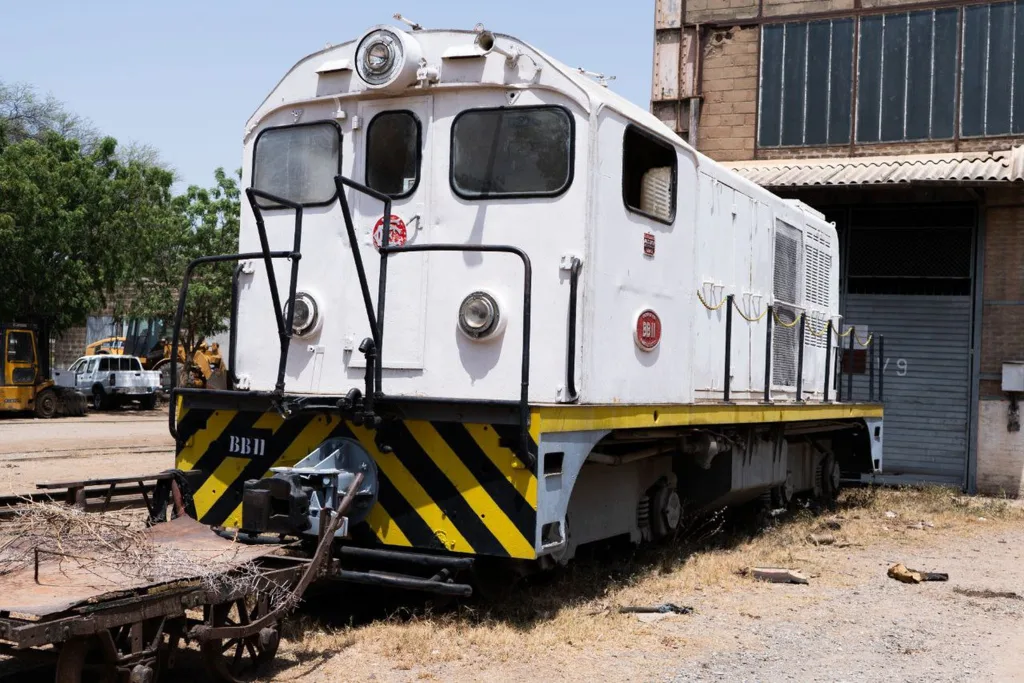
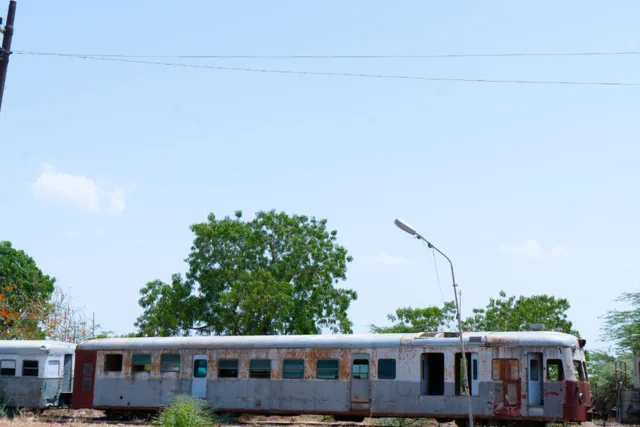
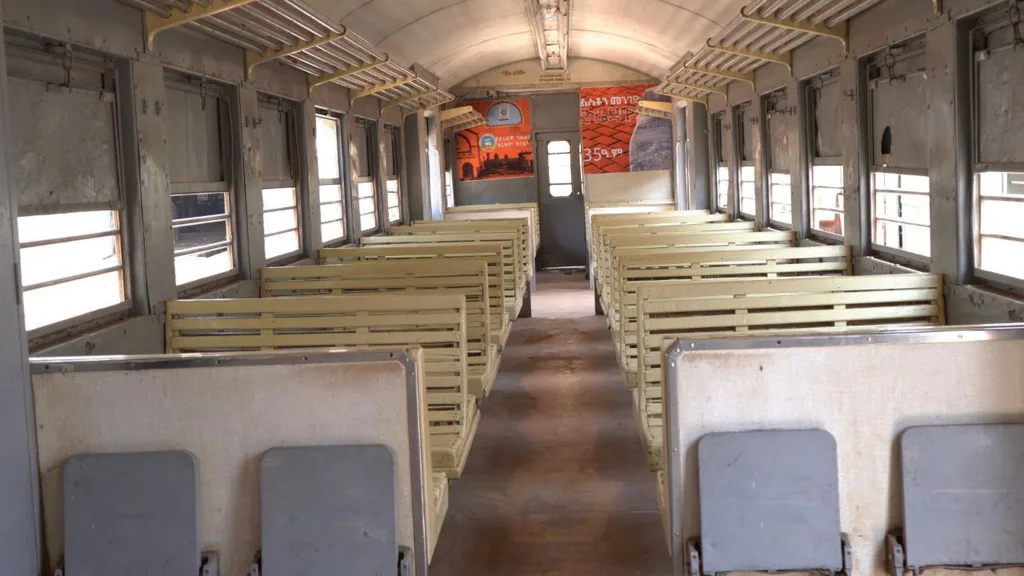
We should remember that period honestly, because it still teaches us. A railway does not fail in a single year.
It fails when maintenance is postponed, when decisions are left unmade and when nobody owns the result. It fails when a nation lets its inheritance slip away and turns its back on the next frontier.
Rebirth and transition
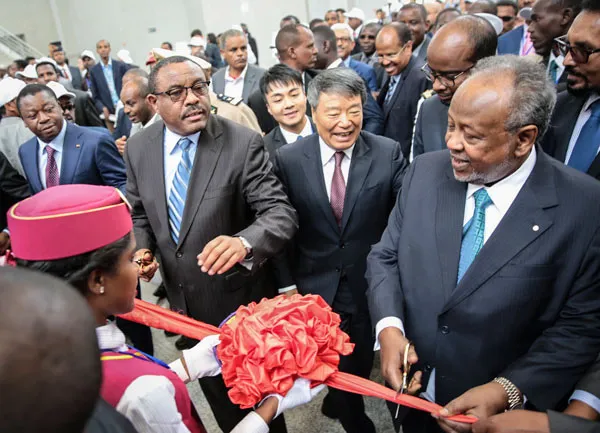
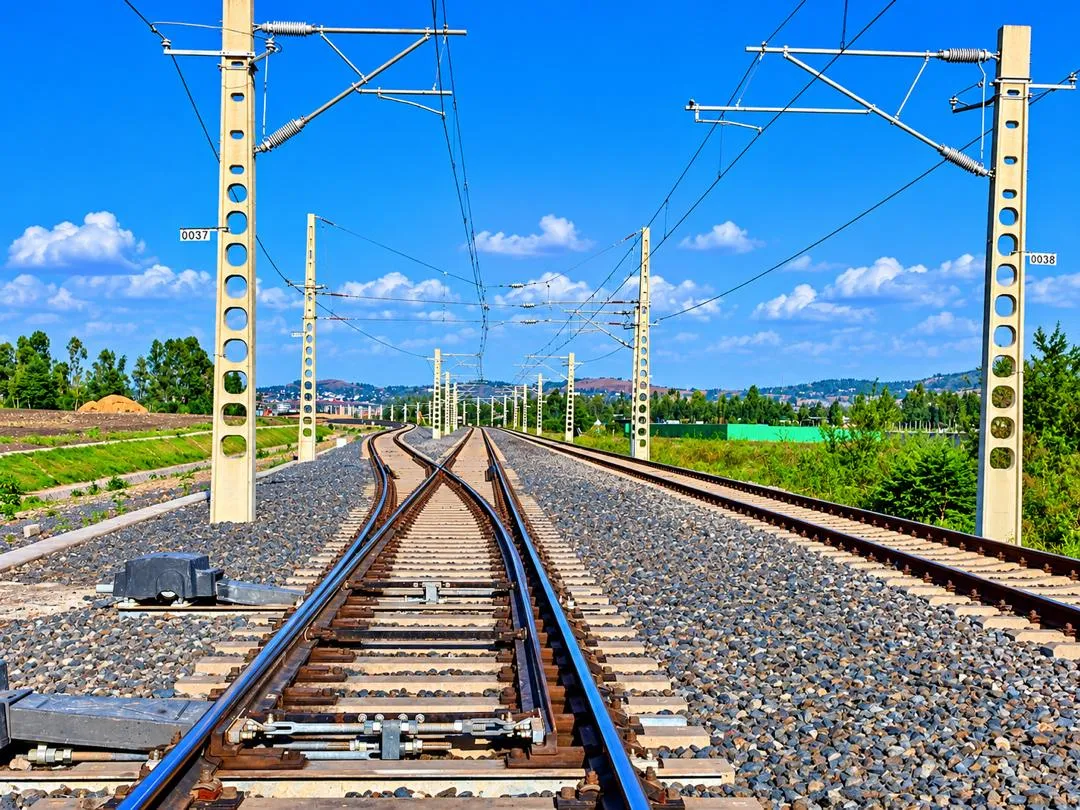
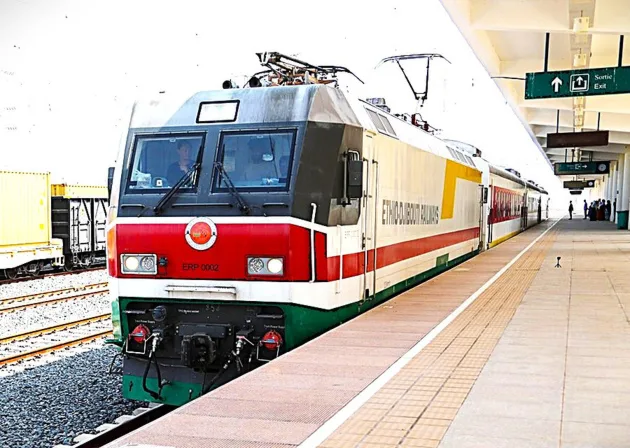
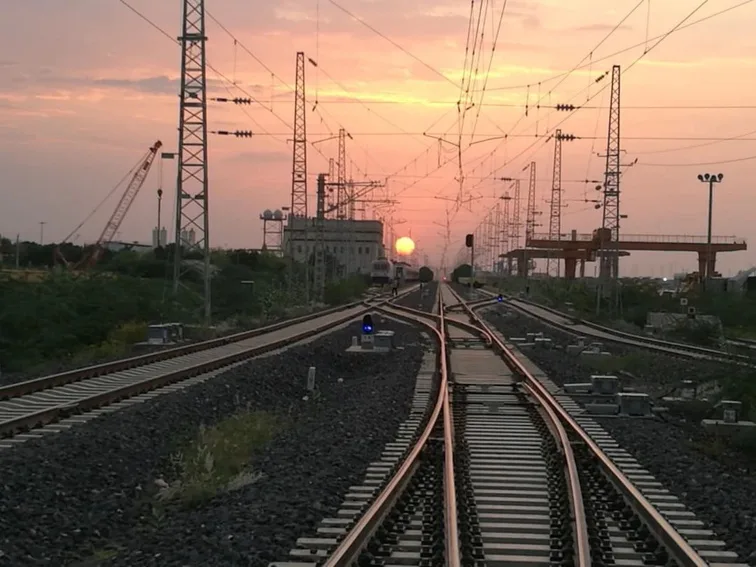
Our generation refused to let the story end there. In 2016 a new 756 km electrified standard gauge railway was inaugurated between Addis Ababa and Djibouti, the first of its kind in Africa, and a joint company was created to run it. Commercial service began in 2018.
Those years gave us modern track, electric traction and an institution built for the corridor. They were also years of apprenticeship. Daily operation stayed largely in the hands of our Chinese partners while our own people learned, watched and prepared to lead.
The leap is happening now
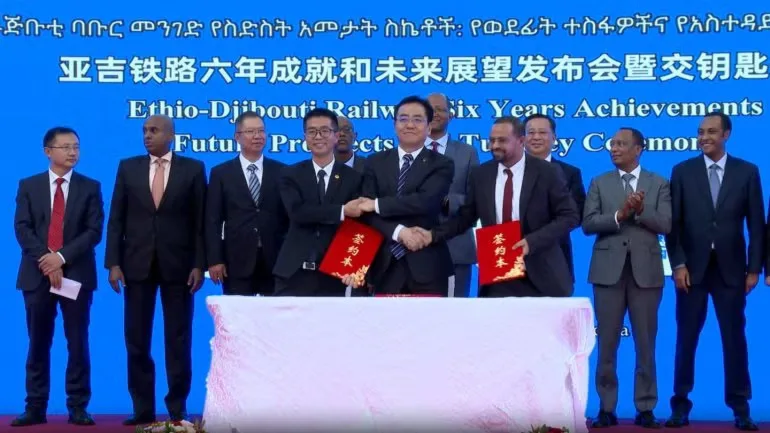
In 2024 Ethiopia and Djibouti took full management of the railway. That was the moment our trajectory turned. For the first time in its long history, the corridor is run from end to end by the people of the two nations it serves.
For the first time in the history of the Ethio Djibouti Railway...
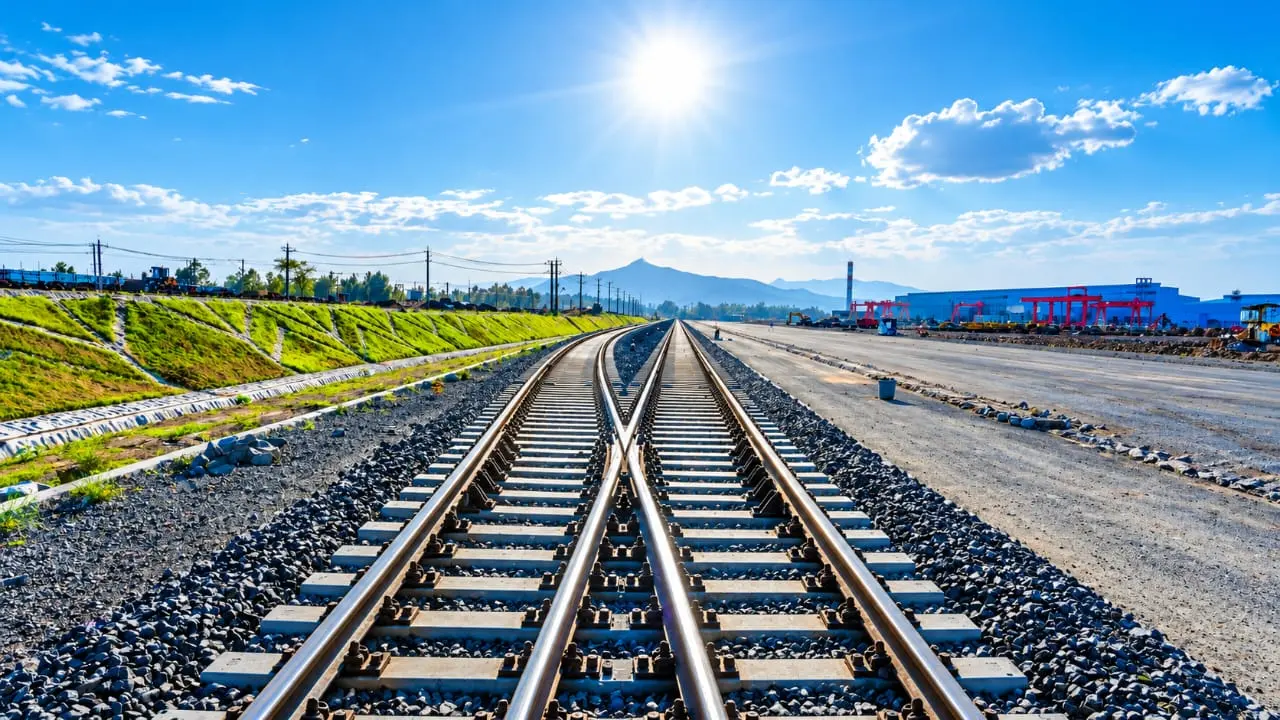
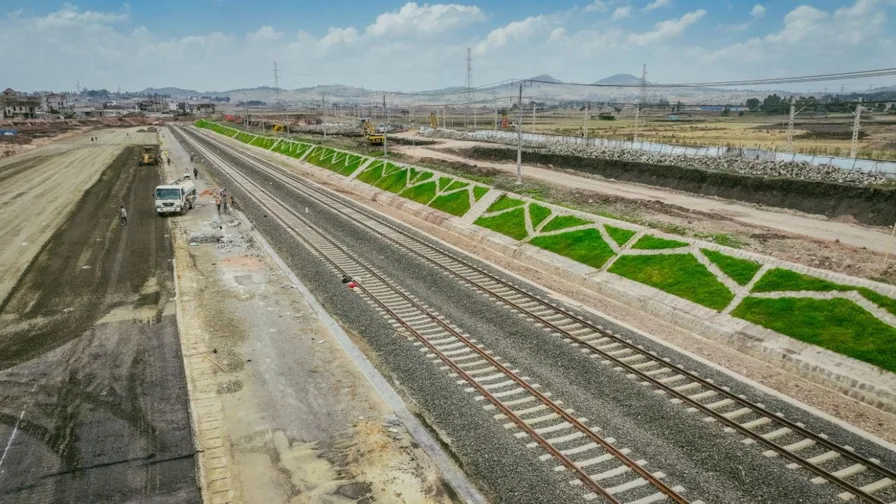
In 2025 we went further. For the first time in the history of the Ethio Djibouti Railway, Ethiopians are designing, building and operating railway infrastructure with our own hands.
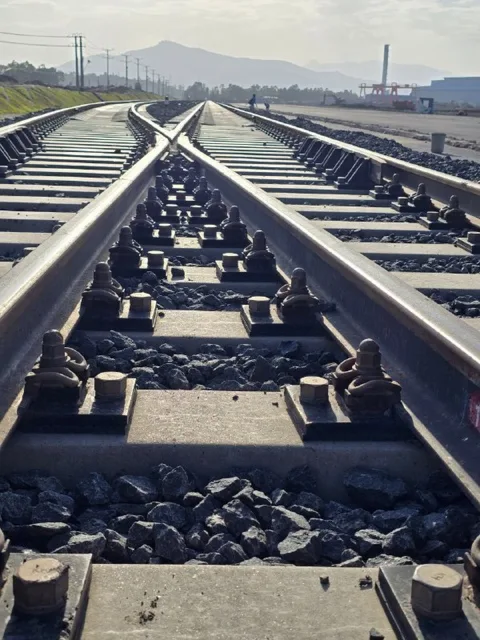
We built our own dry port at Galan. We laid our own rail spurs along the corridor, carrying cargo to the doors of the places where it is made and stored. We are boring tunnels and raising heavy bridges for the railway in the north of Ethiopia.
And we competed against foreign contractors, won, and delivered the works for economic zones and industrial parks.
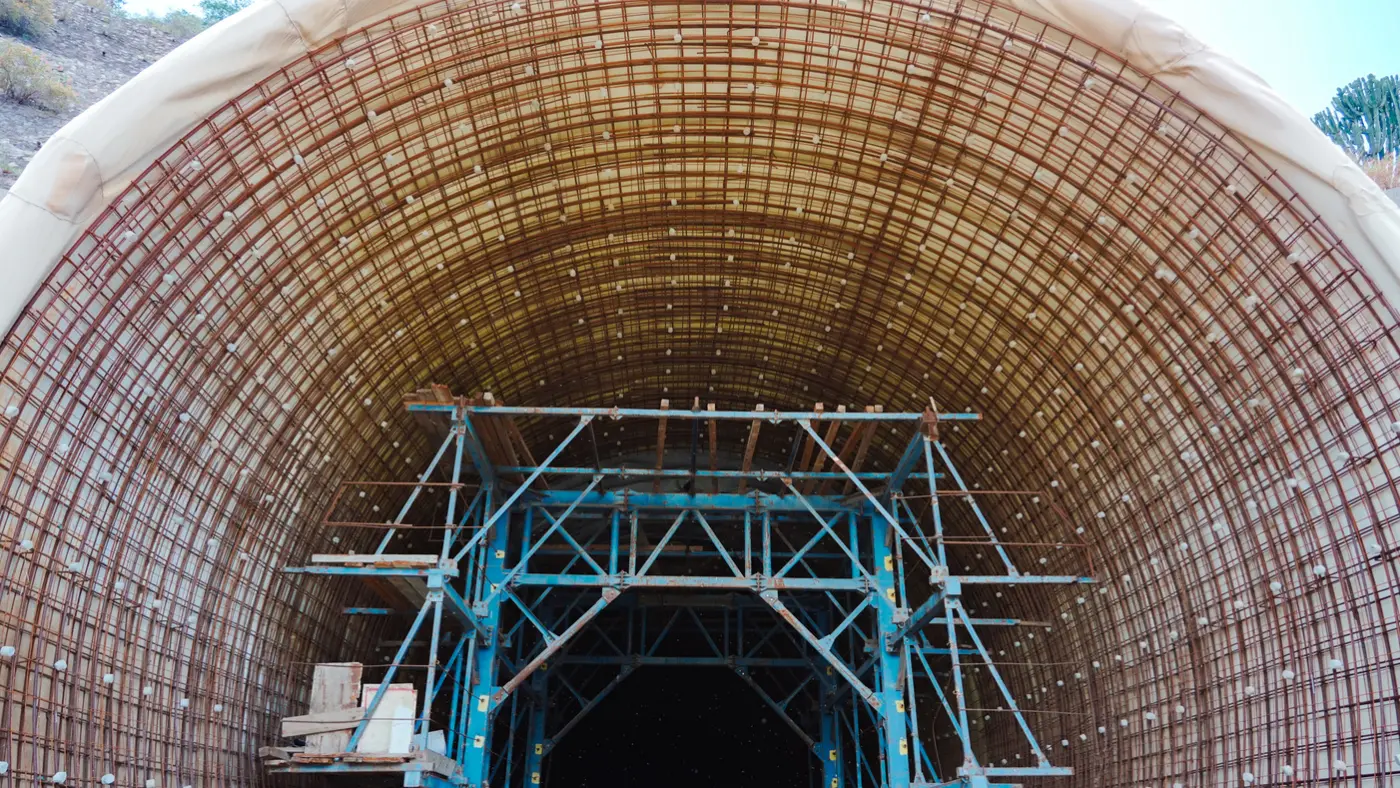
Our Ambition Goes beyond…
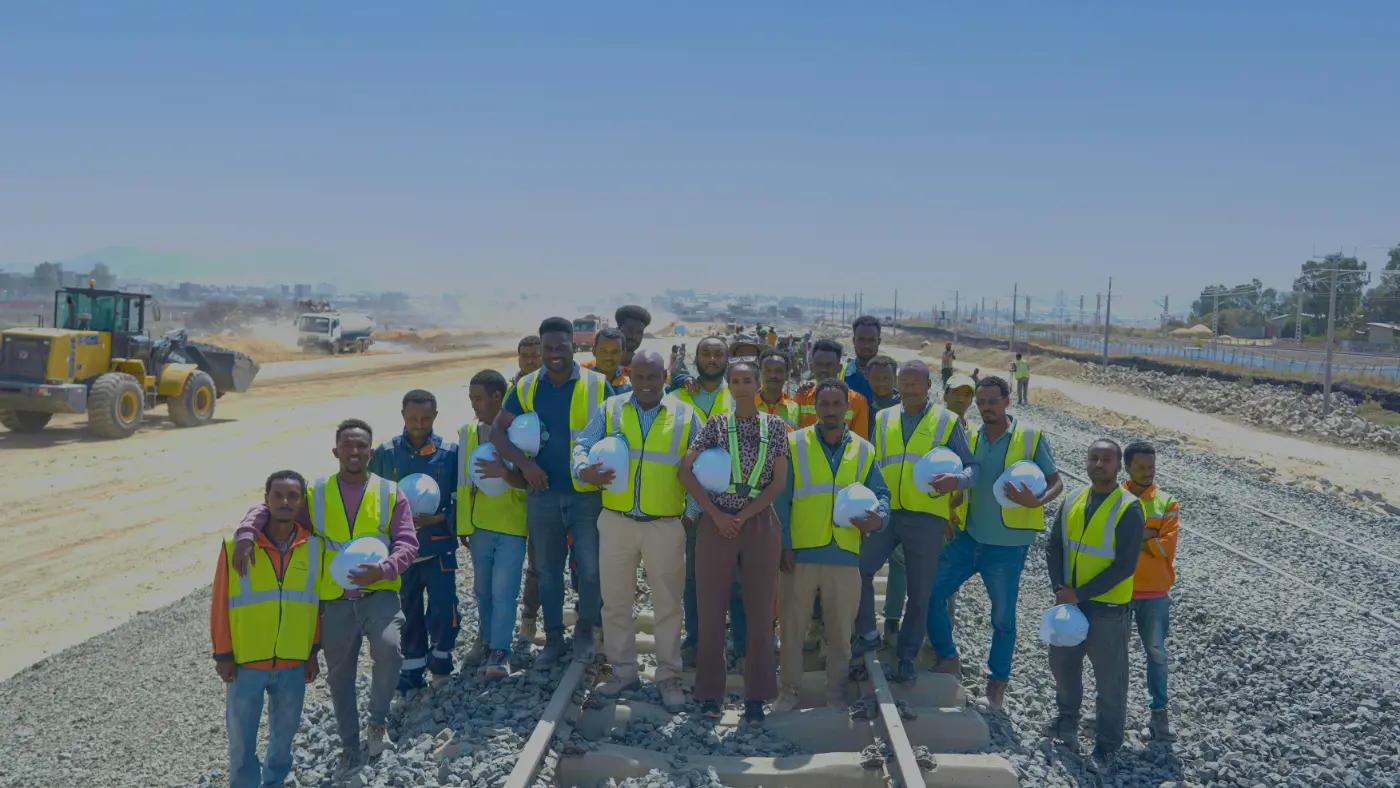
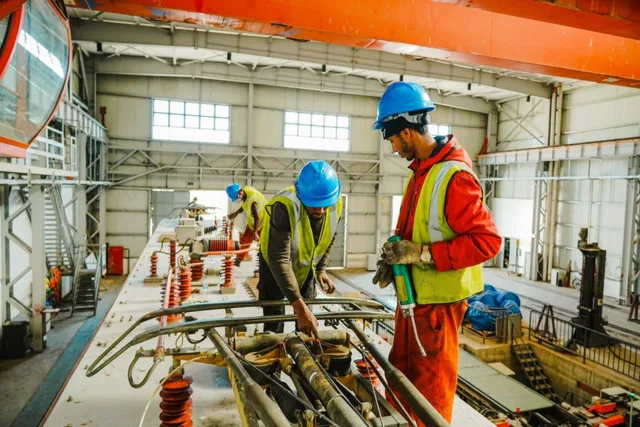
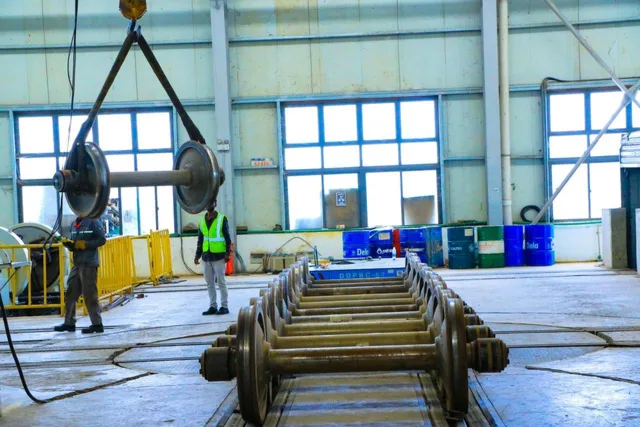
Our ambition goes beyond running an efficient railway and logistics enterprise. Our own engineers now maintain, repair and overhaul our rolling stock, and they have already returned dozens of locomotives to service. Lines that stood idle for years are running again. That is truly historic.
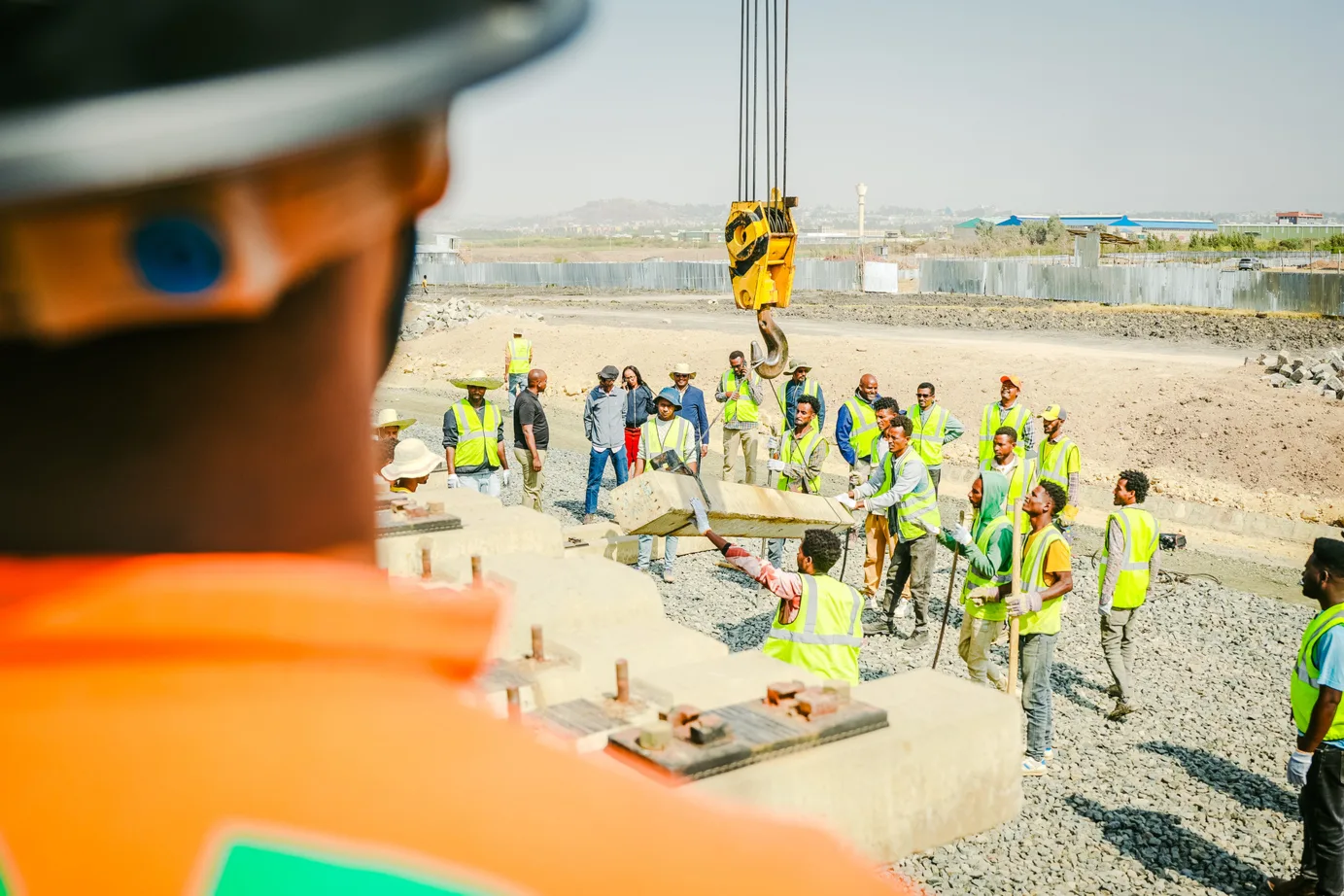
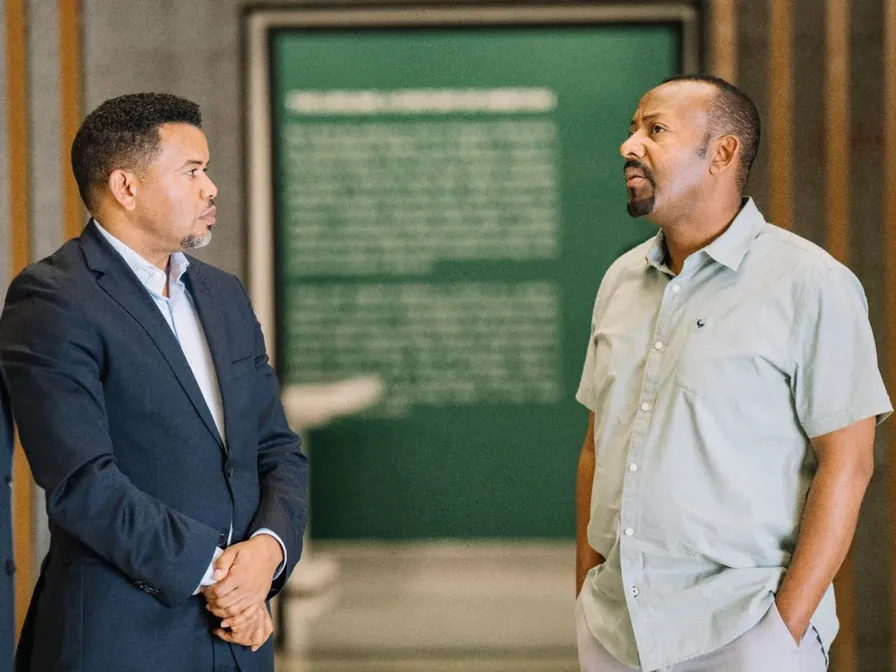
Prime Minister Abiy Ahmed’s visit
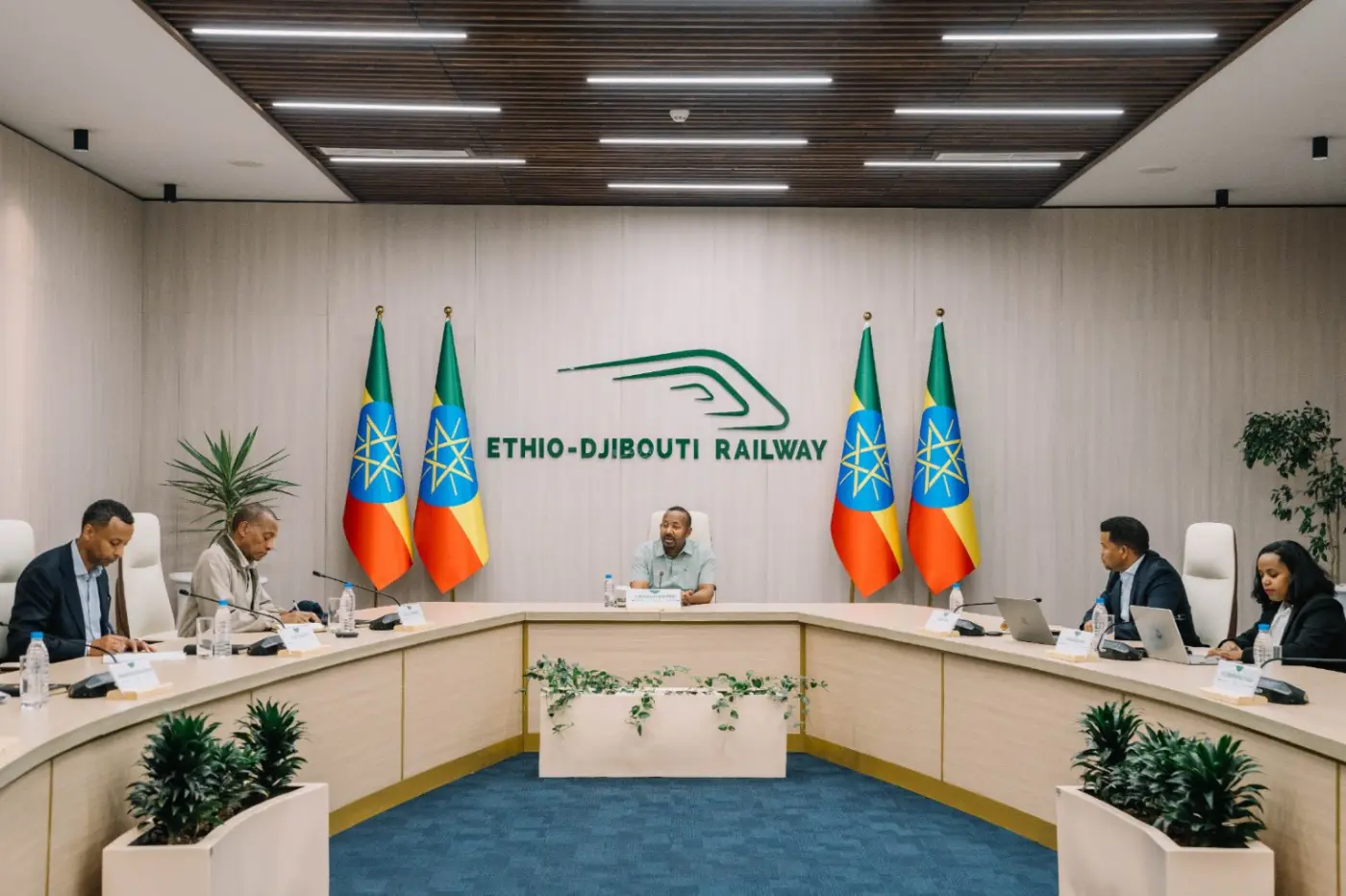
The Government has placed the railway at the center of national logistics, as Prime Minister Abiy Ahmed’s visit in January 2026 made clear.
New locomotive rolling stock staff with new rail car
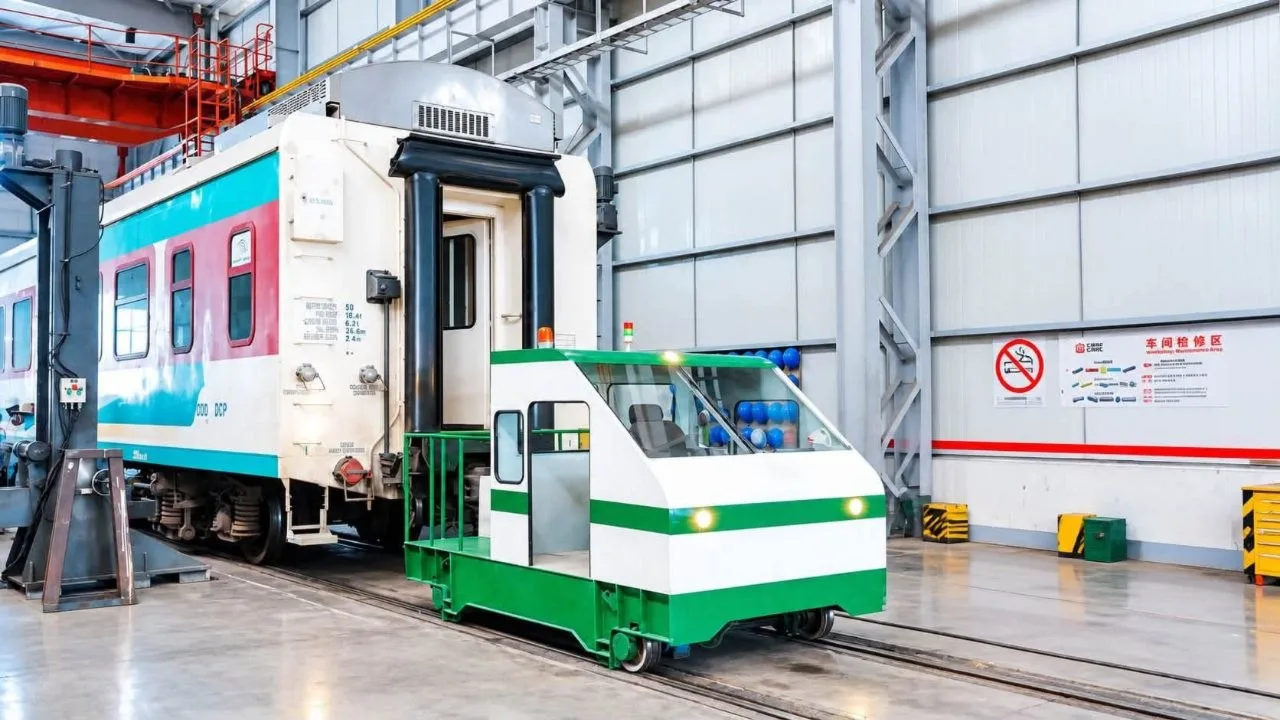
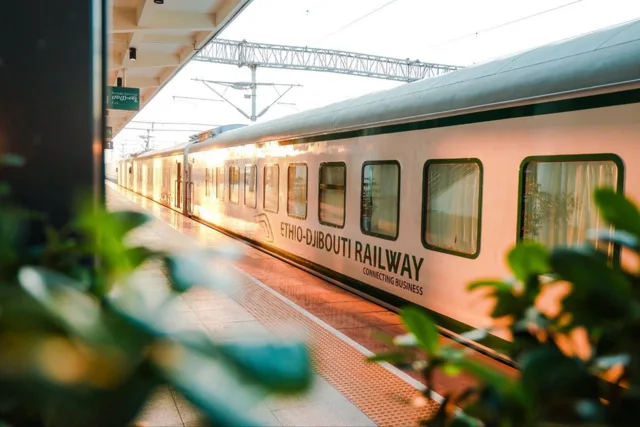
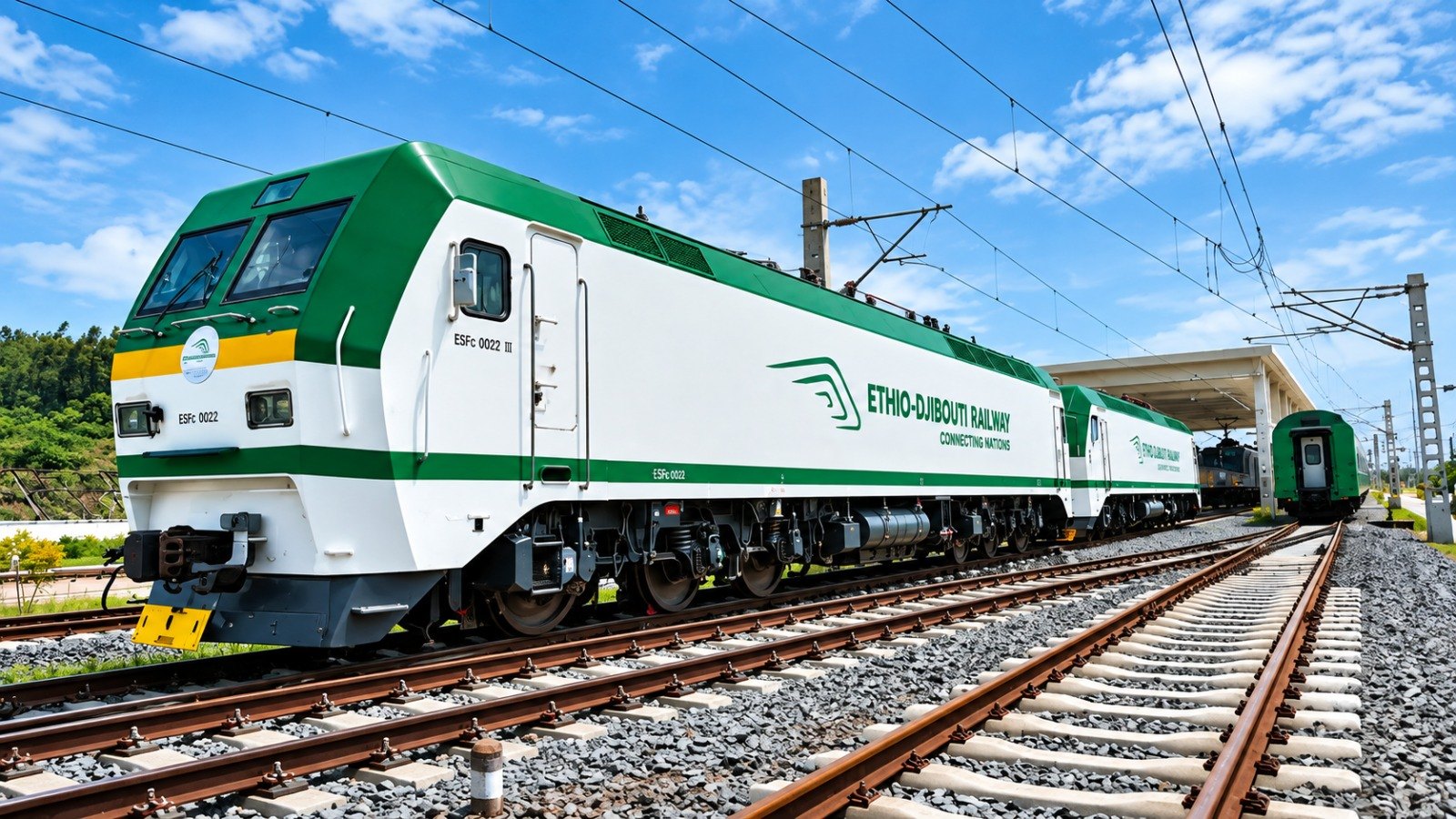
Ownership, discipline and the decision to stop waiting.
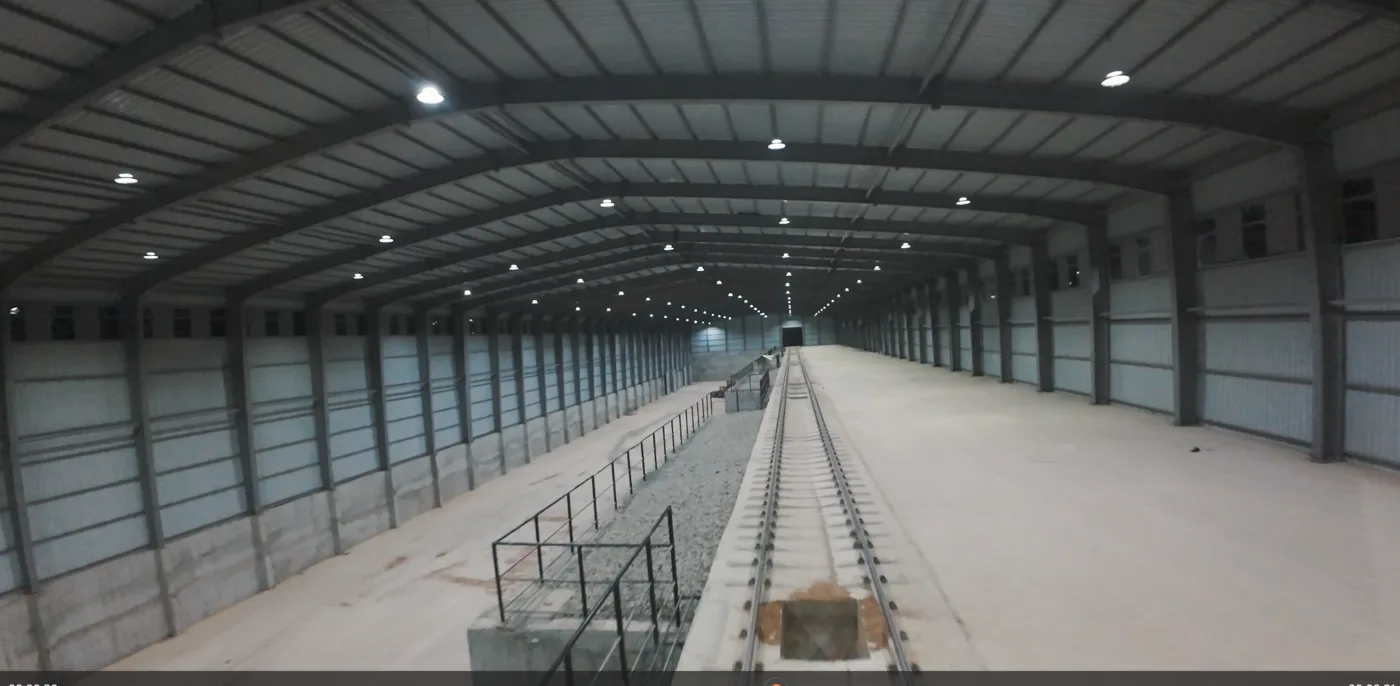
This generation draws its inspiration from the national capability doctrine of the Medemer Grand Strategy, Ethiopia’s roadmap to prosperity and civilization. We are proving that doctrine true, one train and one bridge at a time.
This is the leap. It did not come from a single investment. It came from ownership, discipline and the decision to stop waiting.
Our responsibility
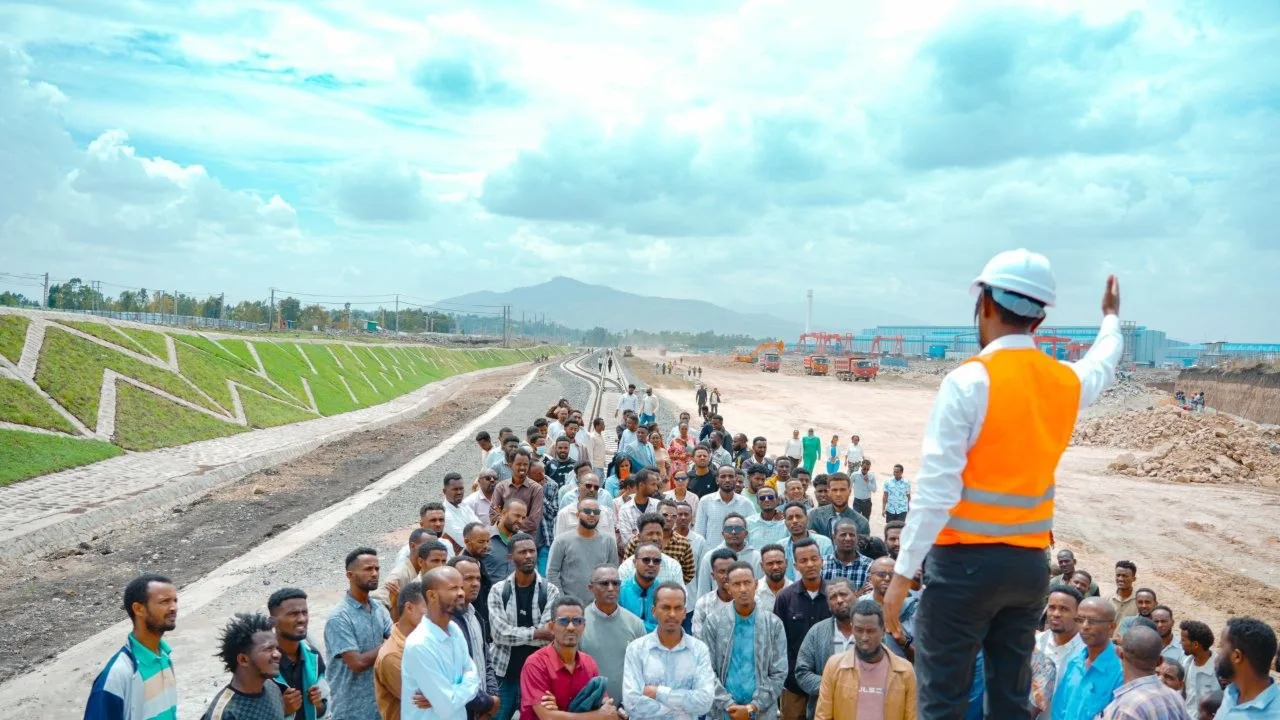
The Emperor began this work more than 130 years ago, in the same years as the victory he led at Adwa in 1896. Adwa proved that Ethiopians could defend their freedom. The railway was meant to prove that we could build our own future and engineer our own destiny.
Every generation since has either carried that work forward or watched it falter.
Ours has the chance to complete what he started: a railway that is not only connected to the sea, but run, maintained and grown by our own hands. A railway that binds the Horn of Africa together and opens a path to the wider continent, its coastlines and the oceans beyond.
That is the generational responsibility we now carry on our shoulders. Our forebears won Adwa with courage and unity. We must win this frontier in the same spirit, through skill, discipline and work that lasts.
I ask every colleague at EDR and across the corridor to treat each train, each wagon and each hour of turnaround as part of that inheritance, and to work as one system. I ask our partners in Ethiopia, in Djibouti and across the region to grow with us. And I ask the public to judge us by our results, and by the difference we make to the nation’s logistics.
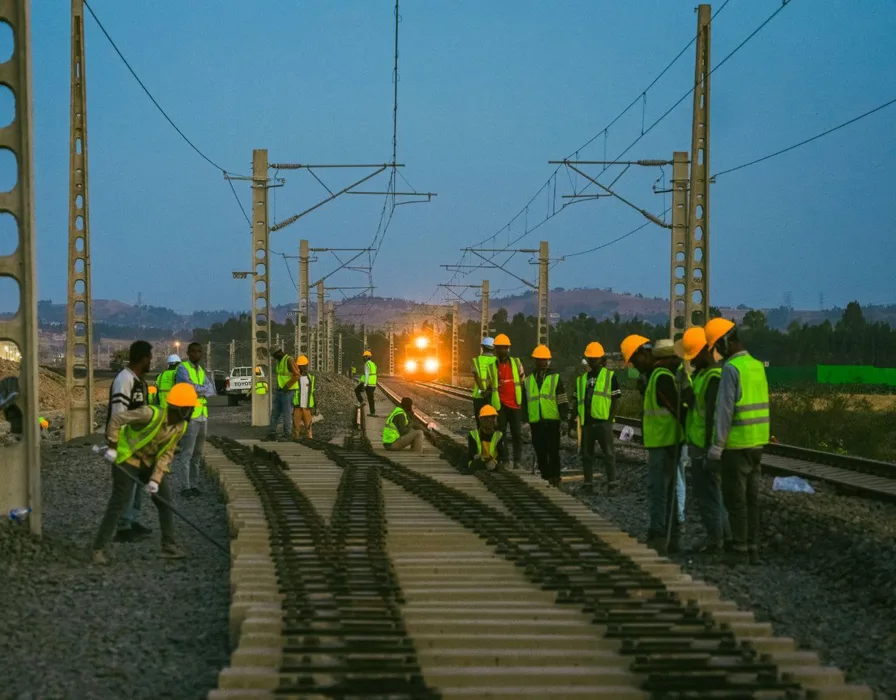
The bumpy road is behind us. The leap is now, and it belongs to all of us. That is why we are here at EDR.
Takele Uma Banti, CEO
With gratitude
This Logistics Enterprise belongs to two nations, and it moves forward on the commitment of both. We thank the leaders of Ethiopia and Djibouti for their guidance and their steadfast support of the corridor.
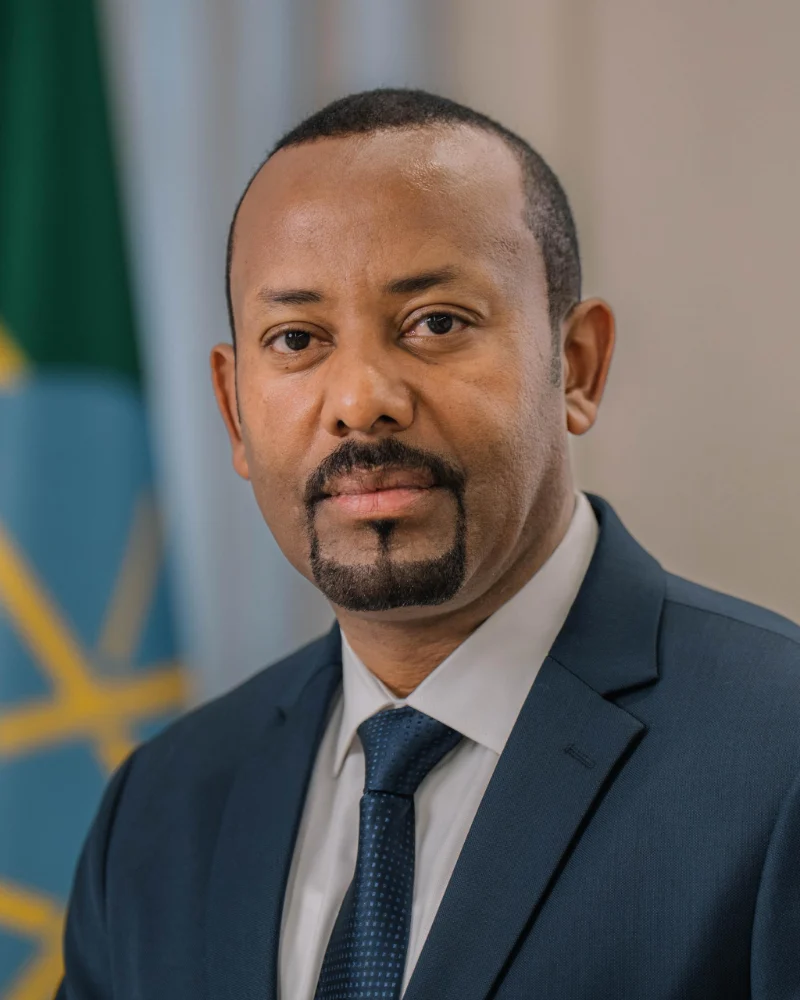
H.E. Abiy Ahmed Ali (PhD)Prime Minister of the Federal Democratic Republic of Ethiopia 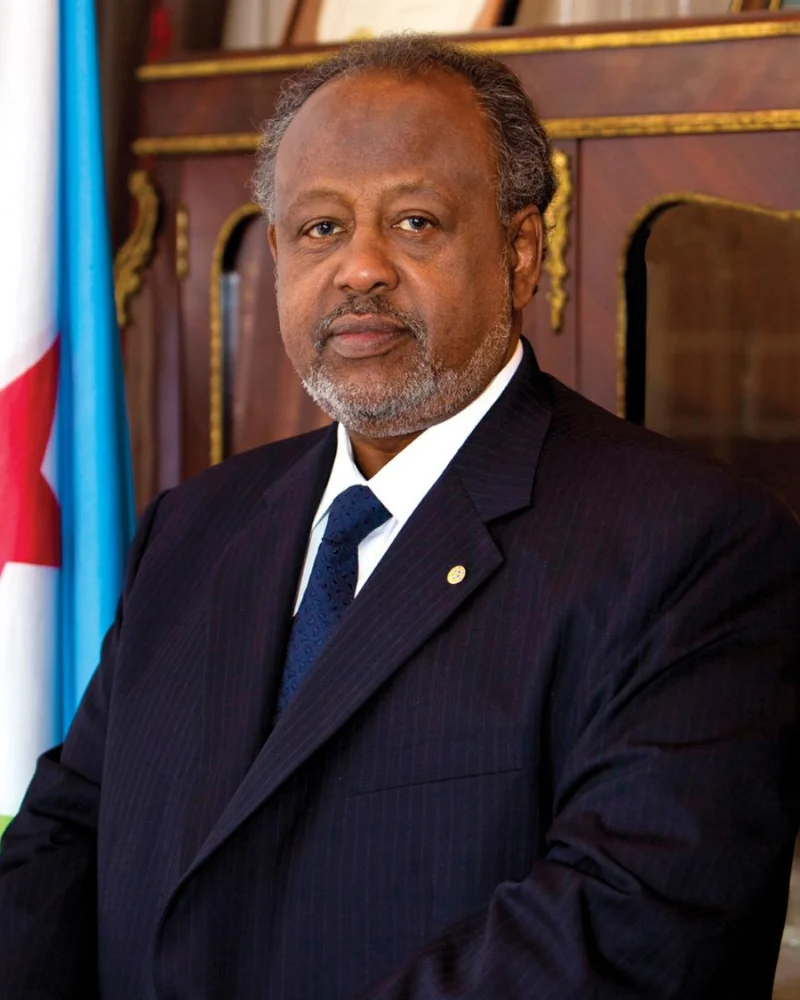
H.E. Ismaïl Omar GuellehPresident of the Republic of Djibouti